Why Residential Deadbolt Installation Is the Smartest First Step in Home Security
A standard door knob lock provides almost no resistance to a determined intruder. The latch bolt retracts with very little force, and the cylinder is often thin enough to be defeated by shimming. A properly installed deadbolt extends a solid one-inch throw bolt deep into the door frame, distributing kick-force across the entire frame rather than one small strike plate. For Yorba Linda homes, where a large portion of properties sit on quiet cul-de-sacs or tree-lined side streets that can give cover to opportunists, that extra layer matters. Our technicians install Grade 1 and Grade 2 deadbolts from trusted hardware brands like Schlage and Kwikset, aligning the bolt precisely so it seats fully without binding — a detail that is easy to miss during a DIY installation and that shortens the life of the lock dramatically.
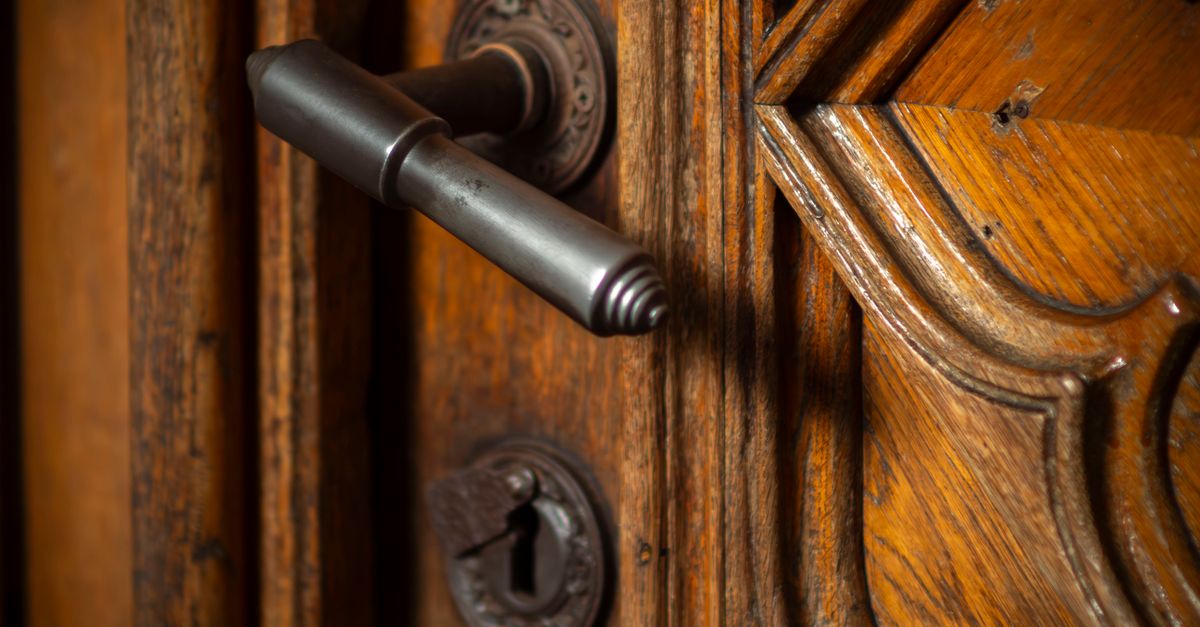
Beyond the basic single-cylinder deadbolt, there are several configurations worth understanding. A double-cylinder deadbolt requires a key on both sides, which is useful when a door has glass panels close enough to the thumb-turn to reach through. A jimmy proof deadbolt — sometimes called an interlocking rim lock — mounts on the surface of the door and physically interlocks with a strike plate on the frame, making it extremely difficult to pry open; this style is especially popular for apartment secondary doors and side-entry doors on Yorba Linda properties with narrower stiles. A mortise lock replaces the entire lock body inside a routed pocket in the door edge, combining a latch bolt, deadbolt, and often a lever into one robust unit — this is the standard we recommend for solid-wood doors on custom homes throughout the area. Every installation method has a specific application, and our technicians will walk you through which configuration makes sense for your door construction, frame condition, and daily use patterns.